
Fuel costs are rising: what you can do to combat it
Fuel costs are rising: what you can do to combat it
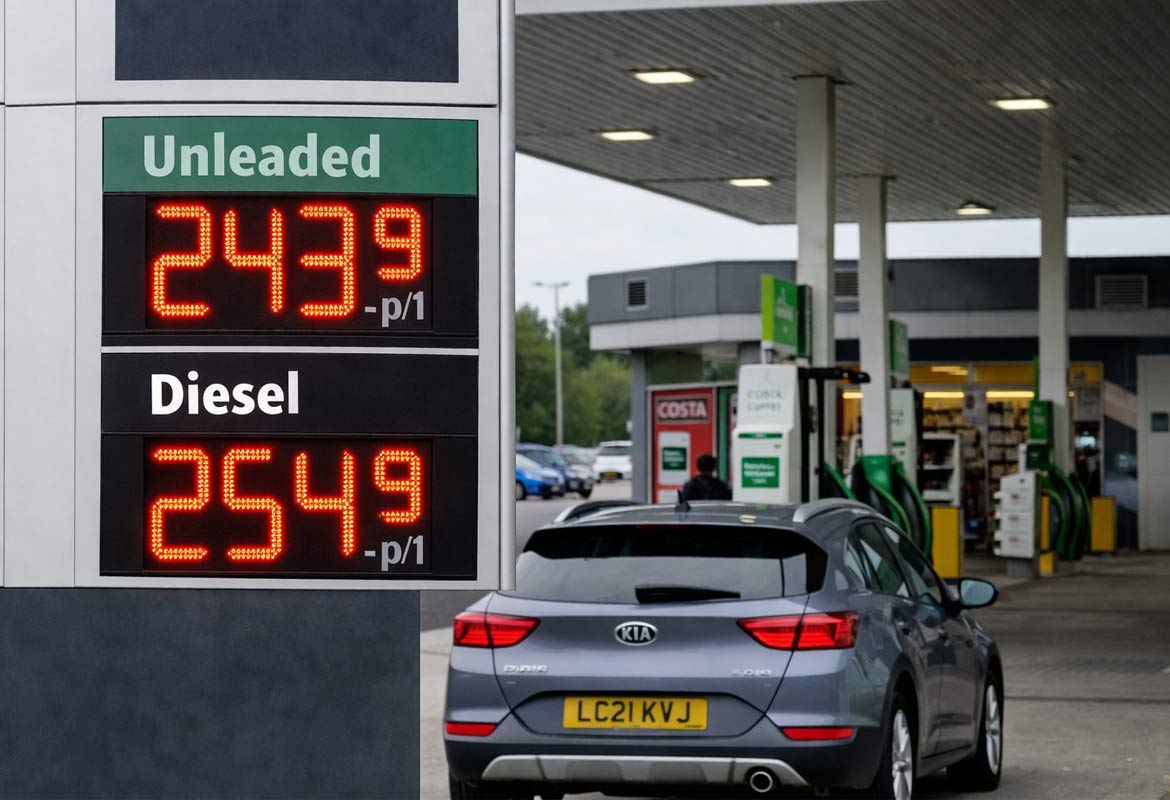
Fuel prices are climbing again, and for many drivers that familiar pain at the pump is back with a vengeance. Whether you are commuting, doing the school run, managing a van for work, or simply trying to keep your car affordable to run, rising fuel costs can quickly turn everyday motoring into a serious expense.
The good news is this: while you cannot control the price on the forecourt sign, you can take control of how much fuel your vehicle uses.
At Auto Matt Garage, we see it all the time. Two similar cars, driven on similar roads, can have very different running costs simply because one is properly maintained and driven efficiently, while the other is quietly wasting fuel every mile.
If you want to fight back against rising fuel costs, here is where to start.
1. Check your tyre pressures and stop wasting fuel
This is one of the easiest fuel-saving wins, yet it is still one of the most commonly missed.
When tyres are underinflated, they create more rolling resistance. In simple terms, your engine has to work harder to push the car along, which means it burns more fuel doing the same job.
Correct tyre pressures help your vehicle roll more freely, improve stability, protect tyre life, and support better fuel economy. It is a small check that can make a surprisingly big difference over time.
If you have not checked your pressures recently, now is the time.
2. Book a proper service if your MPG has dropped
If your fuel economy is not what it used to be, there is usually a reason.
Old oil, dirty filters, worn spark plugs, poor combustion and overdue servicing all affect how efficiently your engine performs. A car that is not running cleanly will almost always use more fuel than necessary.
A proper service is not just about keeping your vehicle reliable. It is one of the smartest ways to help restore lost efficiency, sharpen performance and reduce day-to-day running costs.
In other words, servicing does not just protect your car. It protects your wallet too.
3. Replace tired air filters and help your engine breathe properly
Your engine needs the right balance of air and fuel to work efficiently. If the air filter is clogged or restricted, that balance can suffer, and so can your fuel economy.
A fresh, quality air filter helps maintain strong airflow into the engine, supporting cleaner combustion and smoother performance. On some vehicles, keeping the intake system in top condition can make a noticeable difference, especially if the old filter is badly overdue.
It is not about gimmicks. It is about making sure your engine is not fighting against avoidable restrictions.
4. Wheel alignment matters more than most drivers think
If your wheels are out of alignment, your car may be dragging slightly rather than rolling cleanly down the road. That creates resistance, increases tyre wear and can force the engine to work harder.
You might notice the steering feels off-centre, the car pulls slightly to one side, or the tyres are wearing unevenly. Even if you do not notice anything obvious, poor alignment can still be costing you money in fuel.
Getting alignment checked is a smart move if you want your car to drive straighter, feel better and use fuel more efficiently.
5. Do not carry around a boot full of dead weight
Extra weight means extra work for your engine.
Tools, equipment, boxes, forgotten bags, sports kit, spare parts, roof bars you are not using - it all adds up. The heavier the vehicle, the more fuel it needs to get moving and keep moving.
If you are serious about cutting fuel costs, clear out the unnecessary clutter. It is a simple change, but it helps.
6. Drive smoothly and let the car work with you, not against you
One of the biggest influences on fuel economy sits behind the steering wheel.
Hard acceleration, harsh braking and inconsistent speed all burn more fuel than smooth, planned driving. Reading the road ahead, easing off earlier, accelerating progressively and maintaining a steady pace can all improve MPG.
You do not need to drive slowly. You just need to drive smartly.
Smoother driving is also easier on tyres, brakes and clutch components, so the savings can go beyond fuel alone.
7. Cut down on short trips where possible
Cold engines are less efficient. That means lots of short journeys can be especially expensive in fuel terms, because the engine often never gets properly up to temperature.
Combining smaller errands into one trip can help reduce fuel waste and unnecessary wear. If your driving pattern is mostly short local journeys, keeping your vehicle in top condition becomes even more important.
Those repeated cold starts and stop-start miles can quietly eat through fuel far faster than many drivers realise.
8. Watch for dragging brakes or hidden mechanical resistance
Sometimes poor fuel economy has nothing to do with your driving style and everything to do with a fault developing underneath the car.
Binding brakes, worn wheel bearings, poor suspension condition or other sources of drag can all make your vehicle less efficient. The problem is that these issues are not always obvious at first. The car may still drive, but it is doing so less freely and using more fuel in the process.
If your vehicle feels sluggish, heavy, noisier than usual, or simply not as free-rolling as it used to, it is worth having it checked properly.
9. Choose quality tyres when replacements are due
Not all tyres perform the same when it comes to fuel economy.
When the time comes to replace them, choosing good-quality tyres suited to your vehicle can make a real difference to efficiency, grip and overall driving feel. Cheap tyres can sometimes cost more in the long run if they create more resistance, wear quickly or compromise performance.
This is one of those areas where the right advice matters. Fit the right tyres for the car, the mileage and the way you drive, and you give yourself the best chance of keeping running costs under control.
10. Stop ignoring the signs your car is giving you
If your fuel economy has dropped, there is usually a cause.
Maybe the engine does not feel as lively. Maybe the idle is rough. Maybe it just seems to be costing more to do the same journeys. These small changes often point to maintenance issues that are affecting efficiency.
The sooner they are picked up, the easier and cheaper they usually are to put right.
Can upgrades help save fuel?
Sometimes, yes — but only when they are sensible, properly chosen and suited to the vehicle.
At Auto Matt Garage, we always prefer honest advice over flashy claims. There is no magic bolt-on part that will suddenly transform your fuel costs overnight. In most cases, the biggest gains come from:
- Keeping the vehicle fully serviced
- Replacing worn components before they affect efficiency
- Using quality tyres
- Maintaining correct wheel alignment
- Ensuring the intake, ignition and fuel systems are working properly
- Reducing unnecessary weight and drag
That is the real-world approach. Proper maintenance first, smart improvements second, and no nonsense in between.
The bottom line on rising fuel costs
When fuel prices rise, many drivers feel powerless. But the truth is, there is plenty you can do to push back.
Better tyre pressures, proper servicing, cleaner engine performance, smoother driving, correct alignment and a well-maintained vehicle all add up. None of them on their own is a miracle cure. Together, they can make a genuine difference.
That is how you combat rising fuel costs properly: not with guesswork, but with smart vehicle care and expert maintenance.
At Auto Matt Garage, we help drivers get more out of every tank by making sure their cars are running the way they should. If your vehicle is using more fuel than it ought to, or you want honest advice on how to improve fuel economy, get in touch with the team.
Because when every litre counts, every detail matters.
Frequently asked questions about saving fuel
What is the fastest way to improve fuel economy?
Start with the basics: check tyre pressures, remove unnecessary weight, and make sure your vehicle is properly serviced. These are the quickest and most effective early wins.
Can a car service improve MPG?
Yes. A proper service can improve efficiency by helping the engine run more cleanly and smoothly, especially if filters, plugs or oil are overdue.
Do upgrades really help save fuel?
Some can, but the biggest gains usually come from maintenance rather than modifications. A healthy, correctly set-up vehicle nearly always delivers better value than one with flashy add-ons and unresolved faults.
Is poor wheel alignment bad for fuel economy?
Yes. Poor alignment can increase rolling resistance and tyre wear, both of which can push up running costs.
Need help improving fuel economy?
Bring your car, van or motorbike into Auto Matt Garage and let us check how efficiently it is really running. A simple inspection today could save you money on every fill-up tomorrow.